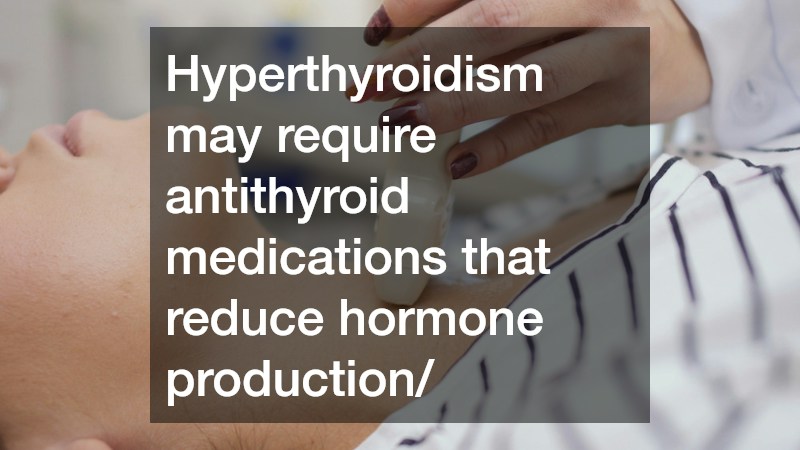
The thyroid is a small, butterfly-shaped gland located at the front of the neck, but it plays an important role in maintaining overall health. It produces hormones that regulate metabolism, energy levels, body temperature, heart rate, and several other essential functions. When the thyroid produces too much or too little hormone, individuals may experience symptoms that interfere with daily activities and overall well-being.
Thyroid disorders affect people of different ages and backgrounds, often developing gradually and producing symptoms that can be mistaken for other health problems. Utah endocrinology specialists help patients identify thyroid conditions, understand their symptoms, and develop treatment plans based on individual medical needs. Through diagnostic testing, medication management, and ongoing monitoring, these specialists support patients in maintaining healthy thyroid function.
Understanding Common Thyroid Conditions
Thyroid disorders can develop for several reasons, including autoimmune diseases, inflammation, hormonal changes, and structural abnormalities within the gland. Understanding the different conditions is an important first step toward receiving appropriate treatment.
Hypothyroidism occurs when the thyroid does not produce enough hormones to support normal bodily functions. Common symptoms include fatigue, unexplained weight gain, constipation, dry skin, sensitivity to cold, and difficulty concentrating. Hashimoto’s thyroiditis, an autoimmune condition, is a frequent cause of hypothyroidism.
Hyperthyroidism develops when the thyroid produces excessive amounts of hormone. Patients may experience unintended weight loss, rapid heartbeat, nervousness, increased sweating, difficulty sleeping, and sensitivity to heat. Graves’ disease is one of the most common causes.
Other conditions include thyroid nodules, goiters, and thyroid cancer. Nodules are growths within the thyroid that are often benign but sometimes require additional evaluation. A goiter refers to an enlarged thyroid gland, which may occur with normal, elevated, or reduced hormone production.
Because these conditions have different causes and treatment requirements, accurate diagnosis is essential.
How Specialists Diagnose Thyroid Disorders
Diagnosing a thyroid condition typically begins with a detailed review of symptoms, medical history, and family health history. An endocrinologist may ask about changes in energy, weight, mood, sleep patterns, and temperature sensitivity. A physical examination can also identify abnormalities such as thyroid enlargement or visible swelling.
Blood tests are central to evaluating thyroid function. Thyroid-stimulating hormone (TSH) testing is commonly used to assess how the thyroid is functioning. Additional measurements, including free thyroxine (free T4) and sometimes triiodothyronine (T3), can help clarify whether hormone levels are abnormal.
When autoimmune thyroid disease is suspected, specialists may request antibody tests. Thyroid ultrasound can provide detailed images of nodules or changes in gland structure. Depending on the findings, certain patients may need a fine-needle aspiration biopsy to evaluate suspicious nodules.
Utah endocrinology providers use these diagnostic results alongside clinical findings to determine whether treatment, further investigation, or regular monitoring is appropriate. Not every abnormal result requires immediate medication, making individualized interpretation particularly important.
Developing Personalized Treatment Plans
Treatment depends on the specific thyroid disorder, the severity of symptoms, laboratory findings, and the patient’s overall health.
For hypothyroidism, treatment commonly involves levothyroxine, a synthetic form of thyroid hormone. This medication replaces insufficient hormone production and helps restore normal physiological function. Dosages are adjusted according to blood test results and individual factors, including age, pregnancy status, and certain medical conditions.
Hyperthyroidism may require antithyroid medications that reduce hormone production. Other treatment options include radioactive iodine therapy or thyroid surgery. The most appropriate approach depends on the underlying cause, symptom severity, and the patient’s preferences and medical circumstances.
Thyroid nodules may require periodic ultrasound examinations rather than immediate intervention. However, nodules with concerning characteristics, significant growth, or suspicious biopsy findings may require additional testing or surgery.
Specialists also consider possible medication interactions and other conditions that could influence treatment effectiveness. Patients benefit from understanding how to take prescribed medications consistently and when follow-up testing is necessary.
When to Seek Specialized Thyroid Care
Persistent fatigue, unexpected weight changes, irregular heartbeat, unusual temperature sensitivity, or noticeable neck swelling may indicate a thyroid problem. Although these symptoms can have multiple causes, persistent or worsening changes deserve medical evaluation.
Individuals with a family history of thyroid disorders, autoimmune diseases, or previously diagnosed thyroid conditions may also benefit from specialized assessment. Pregnant patients and those planning pregnancy require particular attention because thyroid hormone needs can change and abnormal levels may affect maternal and fetal health.
Working with Utah endocrinology specialists can provide access to individualized evaluation and continued support for complex thyroid conditions. Specialized care is particularly valuable when symptoms persist despite treatment, laboratory results are difficult to interpret, or multiple health conditions complicate management.
Supporting Long-Term Thyroid Health
Managing thyroid disorders involves accurate diagnosis, appropriate treatment, and regular communication between patients and healthcare professionals. While some conditions require lifelong medication, others may improve with temporary treatment or periodic observation.
Endocrinologists help patients understand their diagnoses, monitor changes in hormone levels, and make informed decisions about available therapies. By recognizing symptoms early, following prescribed treatment plans, and attending recommended appointments, individuals with thyroid conditions can work toward improved symptom control and long-term health.
Effective thyroid care focuses not only on laboratory results but also on helping patients maintain their daily routines, manage symptoms, and protect their overall well-being.