The concept of holistic cancer treatment is increasingly gaining attention in the medical community for its approach that focuses on not just treating the disease, but supporting the entire well-being of the patient. This method combines traditional medical practices with complementary therapies that address the physical, emotional, and mental aspects of health. As cancer continues to be a major health concern worldwide, integrating holistic practices to support the body and mind during treatment can greatly improve quality of life. Some argue that holistic treatment offers a more humane approach to care, prioritizing the patient’s overall experience throughout their cancer journey.
As we delve deeper into holistic cancer care, it’s important to understand the potential benefits and impacts on patient recovery and how they align with modern medical practices.
What is Holistic Cancer Treatment?
The Philosophy Behind Holistic Treatments
Holistic cancer treatment is grounded in the belief that every aspect of a person’s life contributes to their health and well-being. The philosophy promotes healing by enhancing the body’s natural defense mechanisms through lifestyle changes, emotional support, and stress reduction. Holistic care views cancer as a complex disease that requires a multi-faceted approach including mind-body interventions, nutrition, and sometimes, spiritual guidance. The core idea is that healing is not limited to removing the disease but also involves nurturing the complete self. Practitioners believe that addressing the broader needs of the patient can lead to improved health outcomes and possibly enhance the efficacy of conventional treatments.
Unlike traditional biomedical approaches that focus primarily on eliminating the cancer, holistic methods emphasize the prevention of future ailments by maintaining balance within the body’s systems. These methods can include everything from acupuncture to aromatherapy, all of which aim to reduce stress and promote a sense of peace. A holistic practitioner often encourages patients to explore their emotional and psychological states, believing that an improved mental health status contributes positively to physical healing. Many proponents of this philosophy argue that this individualized care can reduce the side effects of treatments like chemotherapy while fostering a feeling of empowerment in patients. By addressing all facets of health, holistic approaches attempt to assist patients in achieving overall well-being.
Furthermore, the philosophy of holistic care often features personalization; treatments are tailored to meet the specific needs and conditions of each patient. This customization ensures that therapies are not only appropriate but also aligned with the patient’s values and lifestyle. The patient becomes an active participant in their healthcare journey, which can boost morale and foster resilience. In holistic cancer care, there is an emphasis on the therapeutic relationship between patient and practitioner, ensuring that communication remains open and supportive. This patient-centered approach is often praised for its positive impact on patient satisfaction rates and quality of life improvements.
Comparing Traditional and Holistic Approaches
Traditional cancer treatments, such as surgery, chemotherapy, and radiation, focus on attacking the cancer cells with the ultimate goal of eradicating the disease. These methods are primarily concerned with tumor shrinkage and eliminating cancerous growths, providing life-saving procedures in countless scenarios. While effective, these treatments often come with side effects that can significantly affect the patient’s life, such as fatigue, nausea, and hair loss. On the other hand, holistic treatments aim to complement these conventional methods by alleviating side effects and improving overall well-being. This integrative approach suggests that combining the two can lead to a more comprehensive and patient-friendly treatment plan.
Holistic cancer treatment does not dismiss the significance of traditional therapies; rather, it augments them with complementary practices such as nutritional counseling, stress management techniques, and alternative therapies like acupuncture. By focusing on the patient’s entire well-being, holistic methods help patients better cope with the physical and emotional toll of conventional treatments. Additionally, these therapies often promote lifestyle changes that can lead to long-term health benefits, including better cancer prevention. Many patients report feeling more in control of their health and experiencing a higher quality of life when they incorporate holistic practices alongside conventional care. Thus, the integration of both approaches has the potential to optimize patient care.
Despite the available evidence on the benefits of incorporating holistic care, some healthcare professionals remain skeptical about its efficacy compared to traditional methods. This skepticism arises partly because holistic treatments often involve lifestyle interventions that are less quantifiable than the effects of pharmaceuticals. However, growing research supports the synergy between both approaches, suggesting that patients who participate in holistic care may experience fewer side effects and improved mental health outcomes. Moreover, many patients express a preference for treatments that allow them to explore natural techniques along with technological advancements to achieve more comprehensive healing. Ultimately, the choice between traditional and holistic methods can be complex but promising for a patient-centered approach to cancer care.
How Can Nutrition Influence Cancer Treatment?
Role of Diet in Cancer Prevention
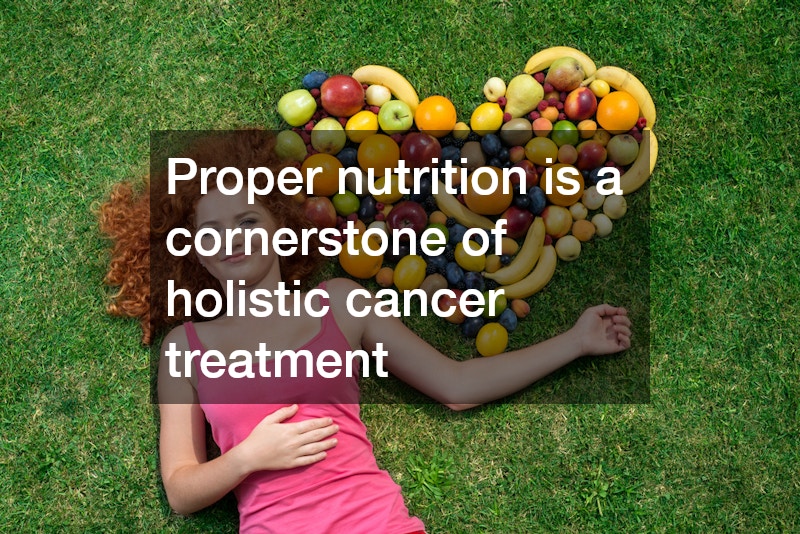
Proper nutrition is a cornerstone of holistic cancer treatment, emphasizing the role of diet in both prevention and recovery. Antioxidant-rich foods, such as berries and leafy greens, are touted for their ability to combat oxidative stress and reduce inflammation, both of which play a role in cancer development. Consuming a diverse and balanced diet supports the body’s immune system, which is critical for keeping cancerous cells at bay. Additionally, there is growing awareness of the potential cancer-preventive properties of a plant-based diet that is rich in whole grains, fruits, and vegetables. By maintaining a well-rounded diet, individuals can strengthen their defense against cancer while optimizing their overall health.
Another aspect of dietary influence is the potential impact of reducing consumption of processed and red meats, which have been associated with an increased risk of certain types of cancer. Research suggests that adhering to a diet higher in plant foods and low in processed meats can contribute to lower rates of cancer morbidity. Moreover, fats from sources such as olive oil and nuts have cancer-protective properties, offering another nutritional strategy in prevention. By promoting healthier eating habits, holistic approaches empower individuals to take preventative measures and support their health journey. The cumulative effect of dietary adjustments demonstrates the importance of nutrition in a holistic cancer care model.
However, holistic nutrition goes beyond avoiding certain foods; it encourages mindful eating practices that align with individual needs and preferences. Building a relationship with food that involves enjoyment, variety, and balance is key to maintaining sustainable dietary habits. Cancer patients often receive personalized nutritional guidance to help manage treatment side effects and meet their unique caloric and nutrient needs. Collaborating with nutritionists can guide patients in making dietary choices that enhance their treatment outcomes and fortify their recovery. Ultimately, understanding the role of nutrition within a holistic framework emphasizes its influence on the body’s ability to combat disease.
The comprehensive guide to holistic cancer treatment provides insight into a patient-centered approach that emphasizes healing the mind, body, and spirit to complement traditional cancer therapies. By exploring the philosophy behind holistic treatments and comparing them with traditional approaches, it’s evident these integrative strategies offer significant benefits. Studies supporting nutrition’s role in cancer therapy and showcasing effective holistic practices illustrate the potential for improved quality of care. Ultimately, holistic cancer care encourages patients to engage with their health journey more completely, enhancing both physical and mental well-being. Considering the synergistic potential of holistic methods alongside medical treatments offers profound opportunities for patient care innovation.