
Skin and hair health are influenced by far more than products alone. Daily habits, indoor environments, hygiene practices, and professional care all play a role in how you look and feel over time. As routines evolve and new options become available, focusing on consistency and prevention remains the most effective approach. Small, intentional steps taken regularly can help protect your skin barrier, strengthen hair, and support long-term confidence and comfort. Paying attention to subtle changes early allows homeowners and individuals alike to avoid more complex concerns later while maintaining a healthy, balanced appearance year-round.
Building a Consistent Daily Care Routine

The way cleansers are formulated and dispensed can directly affect skin health. Systems modeled after commercial soap equipment often emphasize controlled dispensing and balanced formulations, which reduce waste and overuse while promoting consistency. Applying the right amount of cleanser helps prevent stripping natural oils while still removing dirt, sweat, and bacteria accumulated throughout the day. Gentle cleansing protects the skin barrier, reduces irritation, and creates a stronger foundation for moisturizers and treatments applied afterward, particularly for individuals with sensitive or reactive skin.
Consistency matters more than complexity when it comes to skin care. A simple morning routine focused on cleansing, moisturizing, and sun protection helps defend against environmental stressors such as pollution and UV exposure. In the evening, cleansing removes buildup from the day and prepares skin for repair during rest. Keeping routines predictable makes them easier to maintain, reduces skipped steps, and allows products to work effectively over time without overwhelming the skin or causing unnecessary irritation.
Washing too frequently or using harsh products can disrupt the skin’s protective barrier, leading to dryness, redness, and increased sensitivity. This often triggers excess oil production as the skin attempts to compensate, creating a cycle of imbalance. Limiting cleansing to necessary moments—such as after sweating or at the start and end of the day—helps preserve natural oils. Balanced cleansing supports hydration, improves resilience, and reduces the likelihood of breakouts caused by irritation rather than excess oil.
Protecting Hair Health Through Professional Care
Split ends and uneven breakage weaken hair over time and make styles appear dull or thin. Scheduling regular trims at a hair salon removes damaged ends before they travel up the hair shaft. This helps hair retain strength, shine, and elasticity while reducing tangling and daily breakage. Even small trims every few months can significantly improve manageability and overall appearance, particularly for longer hairstyles exposed to frequent brushing and styling.
Frequent heat styling, tight hairstyles, and aggressive brushing can gradually weaken hair strands, especially when combined with chemical treatments. Over time, this damage leads to thinning, frizz, and loss of elasticity. Identifying these habits allows you to adjust techniques, lower heat settings, or introduce protective products. Small changes in daily styling routines often produce noticeable improvements in hair texture and durability within weeks.
Using products that do not match your hair or scalp needs can create buildup, dryness, or irritation. Fine hair benefits from lightweight formulas that avoid weighing it down, while textured or dry hair often requires richer moisture. Paying attention to scalp condition is equally important, as irritation or excess oil can affect growth. Proper product selection supports balance, comfort, and long-term hair health.
Supporting Long-Term Hair Growth and Retention
Consistency and realistic expectations are essential for maintaining healthy hair growth. A structured hair program provides clear guidance on routines, nutrition, and product use tailored to individual needs and goals. Following a defined plan helps eliminate guesswork and encourages steady habits rather than sporadic efforts. Over time, this structured approach supports healthier follicles, improved density, and more predictable results.
Temporary shedding is often linked to stress, diet, illness, or hormonal shifts. Addressing these factors early can prevent prolonged thinning and unnecessary concern. Improving sleep quality, managing stress levels, and ensuring adequate protein and micronutrient intake all support healthy growth cycles. Early action reduces anxiety and helps restore balance before shedding becomes more noticeable or persistent.
Hair changes occur gradually, making progress difficult to assess without tracking. Taking periodic photos or notes helps identify patterns and improvements that may not be immediately visible. This information allows routines to be adjusted based on evidence rather than assumptions. Monitoring progress encourages patience and ensures that care strategies evolve alongside changing needs and conditions.
Managing Scalp and Skin Concerns Proactively
Scalp scarring or visible thinning can affect confidence even when hair health improves. Hair transplant scar tattoo techniques help blend scars with surrounding hair, creating a more uniform and natural appearance. While cosmetic in nature, addressing these concerns can significantly reduce stress and self-consciousness. Confidence plays a meaningful role in overall well-being and encourages consistency with personal care routines.
Product residue, oil, and sweat can accumulate on the scalp and cause itching or inflammation. Regular, gentle cleansing removes buildup without overdrying sensitive skin. A healthy scalp environment supports hair growth and reduces flaking or discomfort. Balanced scalp care also improves the effectiveness of treatments and styling products applied afterward.
Not all concerns require medical intervention. In some cases, cosmetic solutions provide meaningful improvements in appearance and self-esteem. Recognizing when these options are appropriate allows individuals to address visible issues without unnecessary procedures. Improved confidence often reinforces healthier habits and more consistent self-care practices.
Creating a Functional and Hygienic Bathroom Space
Cluttered spaces make routines harder to maintain and increase the likelihood of contamination. Installing cabinets for my bathroom helps organize skin and hair products, keeping them clean, dry, and accessible. Proper storage reduces exposure to moisture and bacteria while encouraging consistent use. A well-organized space also minimizes stress and saves time during daily routines.
Bathrooms are high-humidity environments that can promote bacteria and mold growth if not managed properly. Reducing moisture through ventilation, towel drying, and smart storage prevents product degradation and skin irritation. Drying surfaces regularly and limiting standing water helps protect sensitive skin and maintain a hygienic environment.
Countertops, handles, and storage areas collect residue from daily use. Regular cleaning prevents bacteria transfer to hands, tools, and products. Maintaining clean surfaces supports healthier skin and reduces the risk of breakouts or infections. Simple, consistent cleaning habits contribute to a safer personal care environment.
Enhancing Skin Texture and Renewal
Microneedling stimulates the skin’s natural repair process by encouraging collagen production over time. This can improve texture, firmness, and tone while reducing the appearance of fine lines and uneven areas. Treatments should be spaced appropriately to allow proper healing and avoid irritation or inflammation. When performed responsibly, microneedling supports gradual improvement rather than sudden change, making it a reliable option for individuals seeking steady, natural-looking results without extended downtime.
Healthy skin responds better to advanced treatments. Proper preparation includes gentle cleansing, consistent hydration, and avoiding irritants such as exfoliants or harsh active ingredients beforehand. Preparing the skin reduces complications and enhances outcomes by allowing the treatment to work on a stable foundation. A strong skin barrier improves healing, shortens recovery time, and minimizes discomfort after treatment, leading to smoother results overall.
Post-treatment care is essential for recovery and long-term results. Hydration, diligent sun protection, and gentle products support healing and prevent irritation or pigment changes. Ignoring aftercare can diminish benefits or prolong sensitivity, counteracting the treatment’s purpose. Following guidelines consistently ensures treatments deliver lasting improvements rather than short-lived effects, while also protecting the skin from avoidable stress during the healing phase.
Maintaining Hydration for Skin and Hair Health
In certain situations, iv hydration therapy may support overall hydration more efficiently than oral intake alone. Proper hydration helps maintain skin elasticity, circulation, and scalp comfort by supporting healthy blood flow and nutrient delivery. While not necessary for everyone, targeted hydration can be beneficial during illness, travel, or periods of intense physical stress when dehydration happens quickly. It may also help people who struggle to recover after long flights, heavy workouts, or extended time outdoors.
Dryness, dullness, and increased breakage often signal dehydration before thirst becomes noticeable. Skin may look less plump, fine lines can appear more defined, and the scalp may feel tight or itchy. These early signs provide an opportunity to adjust habits before damage accumulates. Addressing dehydration promptly helps restore balance and prevents long-term stress on skin and hair, especially when paired with moisturizing products and gentler styling.
Advanced hydration strategies work best when paired with consistent daily water consumption. Drinking adequate fluids supports nutrient delivery, digestion, and cellular function, all of which impact skin clarity and hair strength. Combined approaches ensure hydration is maintained steadily rather than temporarily boosted. Adding water-rich foods, limiting excess caffeine or alcohol, and spacing intake throughout the day can further improve hydration consistency.
Keeping Living Spaces Clean for Better Skin
Dust, pet dander, and residue accumulate quickly in living spaces and can trigger skin irritation, especially for people with allergies or sensitive skin. Regular home cleaning reduces exposure to these irritants and supports clearer skin by limiting contact with particles that cause inflammation. Clean environments also reduce the buildup of airborne debris that settles on hair and skin throughout the day. Consistent cleaning helps prevent flare-ups that can be mistaken for purely hormonal or product-related issues.
Pillowcases and towels trap oil, sweat, dead skin cells, and bacteria with repeated use. Washing them regularly reduces contact with irritants that contribute to acne, clogged pores, and scalp discomfort. Clean fabrics play a significant role in maintaining healthy skin, particularly for individuals prone to breakouts or sensitivity. Using fragrance-free detergents and avoiding heavy fabric softeners can further reduce irritation for reactive skin types.
Dust becomes airborne during normal activity and settles on skin and hair, often causing dryness, itching, or redness without an obvious source. Reducing buildup through routine dusting and vacuuming limits exposure to allergens and helps keep indoor air fresher. Cleaner air supports more comfortable skin conditions and reduces flare-ups linked to irritation. Paying special attention to carpets, upholstered furniture, and vents can make a noticeable difference over time.
Knowing When Medical Guidance Is Necessary
Some skin and hair concerns require professional evaluation rather than at-home solutions alone. A doctors office provides diagnostic insight and treatment options when symptoms persist, worsen, or interfere with daily life. Early evaluation prevents complications and ensures appropriate care, especially when changes are sudden, painful, or unexplained. Professional assessment also helps rule out underlying conditions that may present first through skin or hair changes.
Sudden hair loss, persistent rashes, discoloration, or unusual lesions should not be ignored. Recognizing changes early allows for timely intervention and better outcomes before issues become chronic. Monitoring symptoms over time helps distinguish temporary reactions from conditions requiring treatment. Keeping notes or photos can help providers make more accurate assessments during appointments.
Medical recommendations often include lifestyle adjustments, prescription treatments, and follow-up care. Adhering to guidance ensures treatments remain effective and safe over time. Ongoing communication supports long-term management rather than temporary relief, helping patients adjust care plans as symptoms improve or change.
Managing Indoor Conditions That Affect Skin and Hair
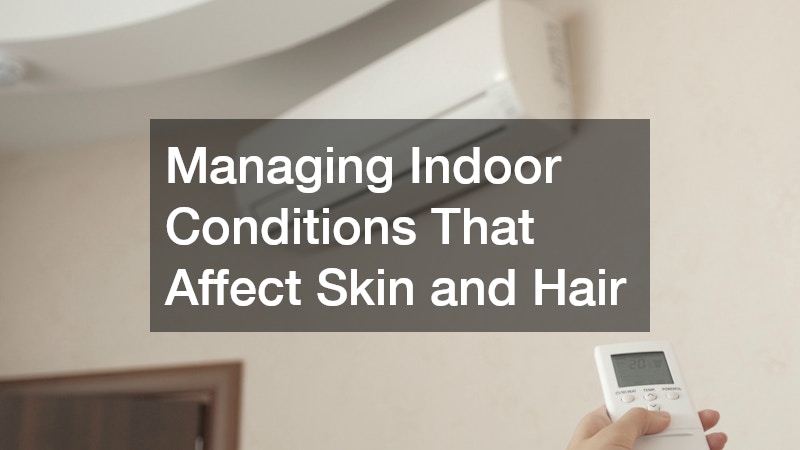
Indoor air conditions directly influence moisture levels and comfort inside the home. An HVAC contractor can help regulate humidity and airflow, reducing dryness during colder months or excess moisture in warmer seasons. Balanced indoor environments support skin hydration and scalp comfort throughout the year while also limiting airborne irritants that contribute to sensitivity and congestion.
Overly dry air increases irritation and moisture loss, particularly for individuals with sensitive or aging skin. Managing humidity helps prevent cracking, itching, and flaking by maintaining the skin’s natural protective barrier. Proper balance reduces reliance on heavy topical products and supports natural skin resilience, allowing daily care routines to remain simple and effective.
Temperature fluctuations stress the skin and scalp, particularly during seasonal changes when heating and cooling systems run frequently. Stable indoor conditions reduce inflammation and discomfort by preventing sudden moisture loss. Consistent environments support recovery and help maintain healthy skin and hair over time, improving overall comfort and long-term well-being.
Caring for your skin and hair in 2026 requires a balanced approach that combines daily habits, thoughtful environments, and professional insight when needed. Focusing on consistency, cleanliness, hydration, and early intervention helps prevent many common concerns before they escalate. By supporting both internal health and external conditions, you create routines that are easier to maintain and more effective over time. Small, proactive steps taken today can deliver lasting benefits for comfort, appearance, and overall well-being.
