
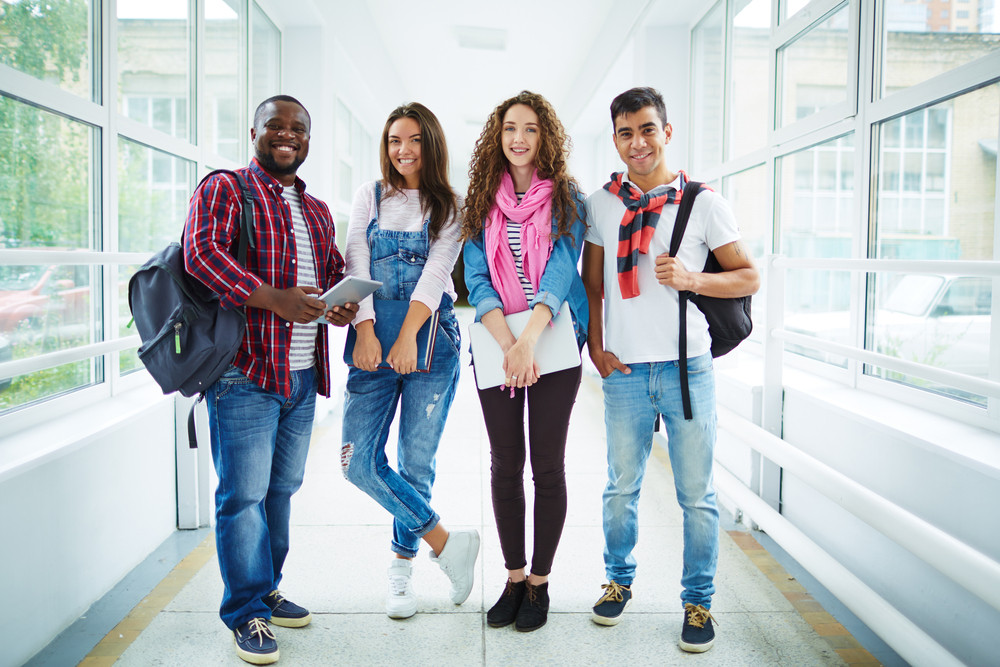
A healthy learning environment should support students beyond academic performance. The spaces where students spend their days can influence their comfort, concentration, confidence, social development, and ability to participate fully in school activities. Creating that kind of environment requires attention to both obvious needs, such as clean facilities and appropriate classroom resources, and less obvious factors, such as transportation, personal expression, technology, and opportunities for meaningful experiences.
Schools also serve students with different abilities, interests, personalities, and learning preferences. A setting that works well for one student may create obstacles for another. By examining the entire student experience, educators and administrators can identify practical improvements that make school more comfortable, engaging, and inclusive. From supporting healthy routines to creating flexible spaces and connecting lessons with real-world experiences, small changes can have a meaningful effect on how students interact with their education.
Create Personal Routines That Support Student Wellbeing
Students spend substantial amounts of time reading, writing, viewing presentations, and working with digital devices. Supporting visual comfort can therefore be part of creating a healthier classroom experience. Schools can encourage students to take regular breaks from close-up work, position screens appropriately, and report changes in vision or persistent discomfort rather than ignoring them.
Access to an eye care service can also be helpful when students or families have concerns about vision. Educators do not need to diagnose problems, but they can recognize when a student may be struggling to see classroom materials or experiencing discomfort during visually demanding activities.
Schools can encourage practical habits such as:
- Taking periodic breaks from screens and close-up work
- Keeping classroom materials clearly visible
- Using appropriate lighting for different activities
- Encouraging students to report persistent visual discomfort
- Providing reasonable accommodations when needed
The goal is not to make every classroom identical. Instead, educators should consider how lighting, seating arrangements, digital screens, and printed materials affect students with different needs. Small adjustments to these features can make classroom activities more comfortable and accessible without disrupting the way lessons are taught.
Make Personal Expression Safe and Age Appropriate
Students often use clothing, accessories, hairstyles, and other personal choices to express their individuality. Schools can support appropriate self-expression while maintaining clear expectations about safety, hygiene, and participation in school activities.
An ear piercing service may be relevant to families making decisions about personal accessories, particularly when they are considering age, aftercare, and whether a student participates in sports or other activities. Schools are not responsible for providing such services, but they can communicate policies clearly so families understand what types of jewelry or accessories are permitted.
A thoughtful school policy can address:
- Jewelry restrictions during physical activities
- Safety considerations for sports and laboratory classes
- Hygiene expectations
- Procedures for temporarily removing accessories
- Appropriate communication with families
Clear expectations can prevent students from being embarrassed or singled out because they were unaware of a rule. Policies should also distinguish between genuine safety concerns and preferences that have little effect on learning. This approach allows students to understand the reasoning behind expectations while giving families clear guidance before issues arise.
Design Educational Experiences Around Student Interests
Learning can become more meaningful when students understand how classroom concepts connect with places, people, and situations outside school. Experiential activities can provide that connection while giving students opportunities to ask questions, observe real environments, and apply what they have learned.
Custom student tours can be planned around specific subjects, age groups, or learning objectives. Instead of treating an educational visit as a break from normal instruction, educators can prepare students beforehand and use the experience as part of a larger lesson.
Schools can make these experiences more effective by:
- Connecting the visit to specific curriculum objectives
- Giving students questions to consider beforehand
- Providing background information before the activity
- Allowing students to document observations
- Discussing the experience afterward
- Adjusting activities for different learning needs
Students are more likely to benefit when they know why they are visiting a particular location. Reflection afterward can also help them connect observations to concepts they have already encountered in class. Teachers can reinforce those connections by asking students to discuss what surprised them, what they learned, and how the experience relates to their coursework.
Make Transportation Comfortable, Safe, and Accessible
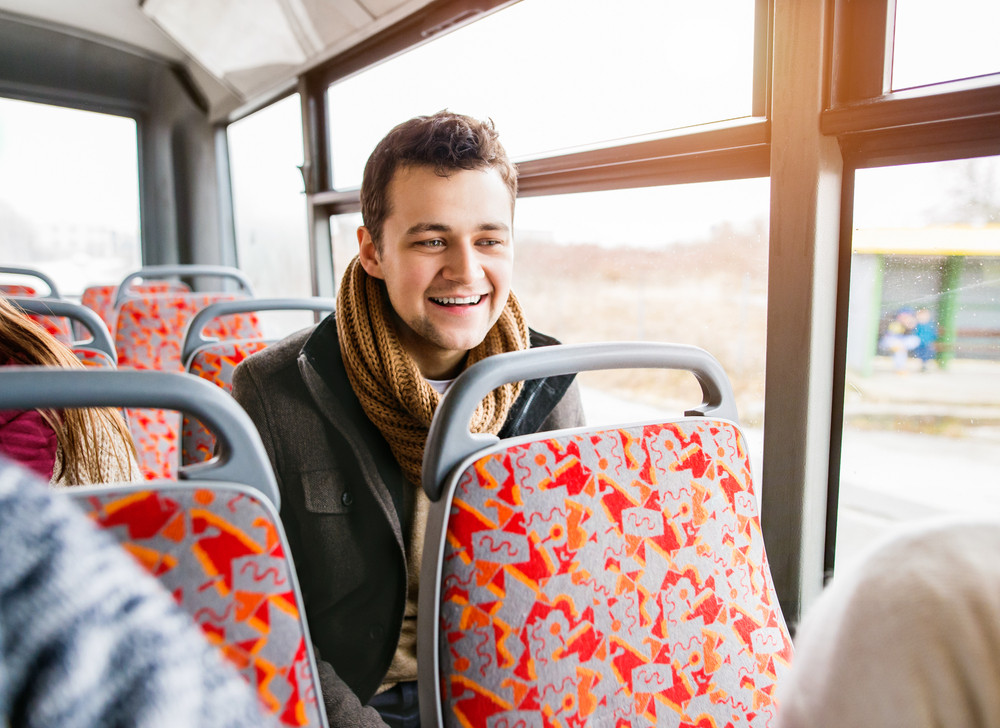
Transportation affects the student experience before an educational activity even begins. Long travel times, poor organization, inadequate supervision, or accessibility problems can create unnecessary stress and make students less prepared to participate when they arrive.
Schools arranging off-campus activities may consider shuttle bus rentals when they need transportation that accommodates a particular group, destination, or schedule. Planning should account for more than the number of available seats. Administrators should consider accessibility, supervision, boarding procedures, travel time, and communication with students and families.
Before arranging transportation, schools should review:
- Vehicle capacity and accessibility
- Pick-up and drop-off locations
- Adult supervision requirements
- Emergency procedures
- Student seating arrangements
- Expected travel duration
- Communication plans for schedule changes
Students should also receive clear instructions about where to meet, what they need to bring, and how they are expected to behave during transportation. Predictability can make travel easier for students who become anxious when routines change.
Use Technology to Reduce Unnecessary Classroom Strain
Technology can provide valuable alternatives for students who find certain traditional classroom tasks difficult. Tools that allow students to communicate ideas in different ways can support participation without changing the academic expectations of an assignment.
Digital dictation systems, for example, can allow students to convert spoken ideas into written text. Depending on the student’s needs, this may reduce difficulties associated with handwriting, typing, or getting ideas onto the page quickly enough to keep up with their thoughts.
Schools should consider:
- Whether the technology addresses a specific learning need
- How students will be trained to use it
- Whether teachers understand its capabilities
- How privacy and student information will be handled
- Whether the tool works with existing classroom systems
- When technology should be used and when it should not
Technology works best when it solves a genuine problem. Introducing a new system simply because it is available can create distractions and additional work. Educators should focus on whether a tool helps students participate more effectively.
Create Flexible Spaces for Collaboration and Student Support
Students need different types of spaces throughout the school day. Large classrooms may work well for direct instruction, but smaller areas can be useful for group projects, individual conversations, student organizations, tutoring, and other activities.
Dedicated meeting rooms can provide flexible spaces that serve several purposes. Their value depends largely on how thoughtfully they are designed and scheduled. A room used for small-group learning may need different furniture and technology than one intended for private conversations or collaborative projects.
When developing flexible spaces, consider:
- Moveable furniture
- Appropriate lighting
- Acoustic privacy
- Accessibility
- Technology needs
- Storage for frequently used materials
- Scheduling procedures
Schools should also examine underused spaces before deciding that additional construction is necessary. A storage area, unused office, or oversized room may be adaptable with relatively modest changes.
Flexible spaces can help students feel that the school environment accommodates different ways of learning. They can also give educators more options when a lesson or student need does not fit neatly into a traditional classroom setup.
Teach Students How to Care for Personal Items and Equipment
Responsibility for personal belongings is another part of a well-organized school environment. Students regularly bring items such as jewelry, electronics, musical instruments, sports equipment, and other possessions to school. Teaching students how to store and care for those items can reduce avoidable damage and conflicts.
Jewelry repairs may become necessary when personal items are damaged through ordinary use, sports participation, or accidental contact. Schools do not need to become responsible for repairing students’ possessions, but they can establish reasonable expectations about storing valuable or fragile belongings.
Helpful school practices include:
- Providing secure storage where appropriate
- Explaining when jewelry should be removed
- Encouraging students to label personal equipment
- Establishing procedures for lost items
- Reminding students about safe storage during physical activities
- Communicating responsibility for valuable possessions
These practices can also support broader lessons about responsibility. Students learn that caring for their belongings requires planning and attention, particularly when they bring personal items into busy environments.
Make Visual Spaces More Engaging Without Overloading Students
Visual information can make school environments more engaging when it has a clear purpose. Displays can communicate announcements, highlight student achievements, reinforce lessons, or provide information about upcoming activities. However, too many competing messages can make a space feel cluttered rather than informative.
LED walls can provide a flexible way to display changing content in common areas, auditoriums, or other spaces. Their effectiveness depends on how the school uses them. Administrators should establish guidelines for brightness, content, timing, and accessibility instead of allowing displays to become a constant stream of unrelated information.
Effective visual displays should:
- Use readable text
- Present one clear message at a time
- Avoid excessive visual movement
- Provide useful information
- Rotate content intentionally
- Consider students with visual sensitivities
Digital displays should complement the physical environment rather than dominate it. Schools can also involve students by displaying artwork, projects, accomplishments, or educational content that reflects the interests and work of the school community.
Fund Wellness Improvements With Purposeful Community Events
School improvements often require funding beyond ordinary operating budgets. Fundraising can provide an opportunity to involve families, students, staff, and community members in projects that directly improve the educational environment.
Profitable fundraisers should begin with a clearly defined goal. Instead of asking families to contribute without explaining how the money will be used, schools can identify a specific improvement, activity, or resource they want to support. This gives participants a clearer understanding of the purpose behind the effort.
Schools should consider:
- The specific amount needed
- The project the funds will support
- Expected participation
- Costs associated with running the fundraiser
- Ways to include different age groups
- How results will be communicated afterward
Fundraising activities should also be realistic about families’ time and resources. A complicated campaign can place unnecessary pressure on the community. Simpler activities with clear objectives may be easier to manage and more enjoyable for participants.
When schools communicate results afterward, students can see how collective participation can produce tangible improvements to their environment.
Evaluate Educational Choices Through the Whole-Student Lens
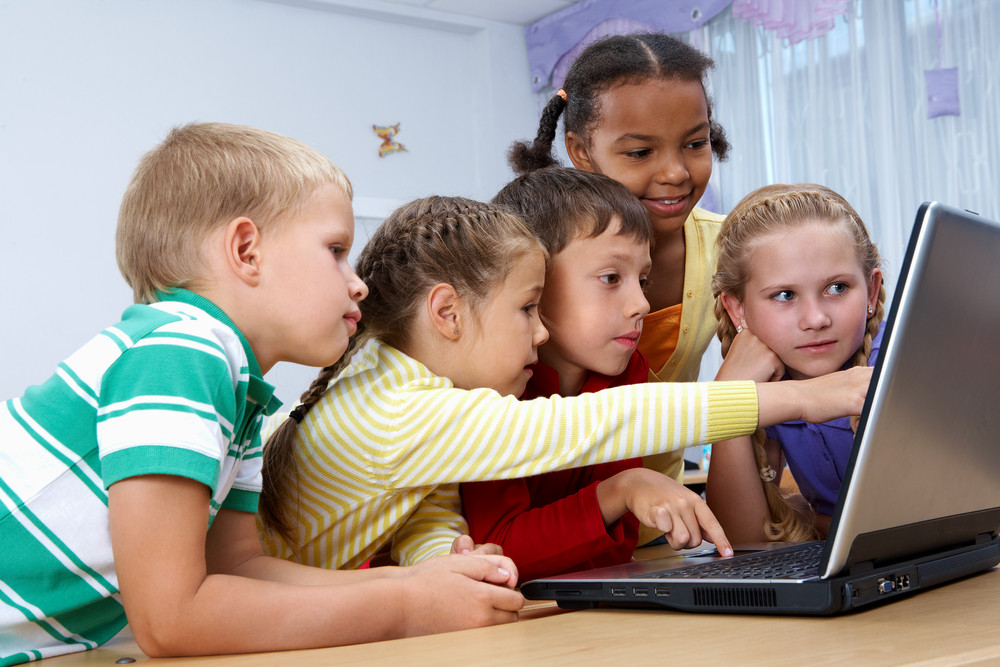
Creating a healthy learning environment ultimately requires looking at the student as a whole person. Academic achievement matters, but students also need opportunities to develop social skills, explore interests, build confidence, and participate in environments that recognize their individual needs.
The benefits of private school education can be considered as part of a broader discussion about how different educational settings approach these needs. Families evaluating schools should look beyond promotional materials and consider the actual experience students receive each day.
Parents may want to examine:
- How teachers communicate with students
- What extracurricular opportunities are available
- How individual learning needs are addressed
- What facilities students use regularly
- How the school approaches student wellbeing
- Whether the school’s culture fits the student’s personality
No single school environment will be ideal for every student. Families should consider the characteristics that matter most to their child’s development and compare those priorities with the actual educational experience offered.
Schools can also benefit from asking the same questions internally. Regularly evaluating facilities, programs, communication, and student experiences can reveal opportunities for improvement that may otherwise go unnoticed.
Creating a healthier learning environment is not about adding one new program or upgrading one part of a school. It involves looking at how students experience the entire day, from the moment they arrive through lessons, activities, transitions, and interactions with their peers and teachers. Physical comfort, accessibility, personal expression, technology, transportation, and flexible spaces can all contribute to that experience.
The most effective improvements begin with practical questions. Can students see their materials comfortably? Do they have appropriate spaces for different activities? Can they participate in meaningful experiences outside the classroom? Do they have tools that support different ways of learning? Are school policies clear enough to help students make responsible choices?
By examining these details together, educators can create environments that support more than academic achievement. They can build school communities where students have greater opportunities to participate, explore their interests, develop independence, and feel comfortable engaging with the learning process.
