Experiencing a car accident can be a terrifying event, leaving you disoriented and unsure about what steps to take next, especially in the case of car accident injuries. The immediate aftermath requires swift action to ensure safety and gather necessary information. First and foremost, it is critical to determine the extent of injuries to yourself and others involved, dialing emergency services if required.
If possible, move vehicles out of further harm’s way to prevent additional collisions. Remember that prioritizing safety is crucial during these initial moments.
Once safety is ensured, documentation becomes your next priority. Gather information from all parties involved, including their names, contact details, driver’s license numbers, and insurance details. Take photographs of the scene, capturing vehicle placements, any visible damage, and road conditions. These images can serve as vital evidence during insurance claims or legal proceedings concerning car accident injuries. Eyewitness accounts, if available, should also be noted, as they might aid in corroborating details of the event.
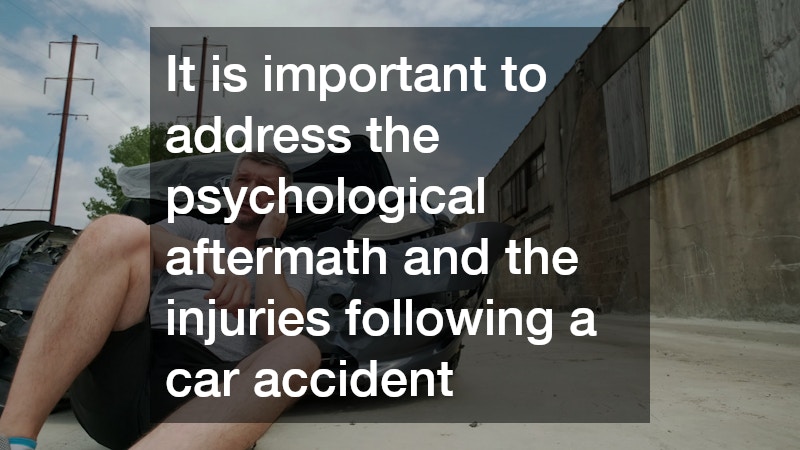
It is important to address the psychological aftermath as well as the physical injuries following a car accident. Even if you feel capable of continuing with your day, take a moment to evaluate your emotional state. Trauma can impact your decision-making abilities and physical responses, potentially compromising your ability to provide accurate details to authorities or medical personnel. Car accident injuries aren’t solely confined to physical harm; the impact on mental health can also require attention and care.
Seeking Medical Help and Documentation
After securing the accident scene and gathering necessary details, seeking medical help is a critical step following car accident injuries. Regardless of the apparent severity, medical evaluations ensure that any injuries, some of which may be internal or delayed, are identified and treated promptly. Medical professionals offer documentation that not only aids in recovery but also serves as crucial evidence in insurance and legal claims. Be vigilant about informing healthcare providers of all symptoms, even those you perceive as minor.
Obtaining a thorough medical evaluation ensures that you are not jeopardizing your long-term health by ignoring car accident injuries. Various injuries can manifest days or even weeks after an incident. Whiplash, concussions, and other soft tissue injuries are examples of conditions that might not be immediately apparent but can have significant long-term impacts. Receiving early treatment can mitigate these effects and provide a clear link between the accident and the injuries sustained, which is indispensable for compensation claims.
Keeping a detailed record of all medical visits and treatments is highly beneficial following an accident. These records document your journey from injury to recovery, highlighting all treatments and consultations necessary as a result of the accident. Furthermore, they are instrumental in substantiating claims for compensation or financial reimbursement. It is important to comply thoroughly with any medical advice and complete all prescribed treatments, as deviations could potentially be used to dispute the legitimacy or severity of your car accident injuries.
Communicating with Insurance Companies
Communicating with insurance companies post-accident is an essential step that demands careful attention and preparation. Begin by informing your insurance provider promptly about the incident and any car accident injuries sustained. Share all obtained documentation, including photos, eyewitness accounts, and medical reports. Providing comprehensive information enables your insurer to process claims more effectively and aids in determining liability and coverage. Clear and factual communication will streamline the claims process significantly.
During interactions with insurance representatives, it’s imperative to maintain honesty while being cautious about divulging unnecessary details. Statements made can significantly impact the outcome of your claims process, particularly in relation to the extent of car accident injuries. Avoid speculating on fault or minimising your physical state. Instead, rely on documented evidence and professional reports when discussing the accident and injuries. Insurance companies will closely scrutinize these details, making accuracy and consistency vital.
Consider seeking professional advice when dealing with complex insurance claims involving substantial car accident injuries. Legal experts or insurance adjusters specializing in accident claims can offer guidance on navigating the intricacies involved. They can help bridge gaps in understanding policy details, ensuring that you receive the coverage or compensation deserved. These professionals understand the nuances of insurance language and can advocate on your behalf if disputes arise, providing peace of mind throughout an often stressful process.
Long-term Impacts and Recovery
Acknowledging the long-term impacts of car accident injuries is vital to managing recovery expectations and planning effectively. Some injuries can result in chronic conditions requiring ongoing treatment and significant lifestyle adjustments. Physical rehabilitation, continued medical appointments, and mental health support might be necessary components of a comprehensive recovery strategy. By preparing for these potential outcomes early on, you can actively participate in shaping a realistic recovery path.
The financial impact of long-term recovery from car accident injuries should not be underestimated. Expenses can quickly accumulate from medical bills, rehabilitation services, and lost wages due to prolonged recovery periods. Planning financially by exploring all available avenues for support, such as insurance benefits and legal compensation, is fundamental. Investigating each potential outlet for coverage ensures that financial concerns do not hinder the recovery process, allowing patients to focus on healing.
Emphasizing self-care and emotional well-being is crucial in overcoming the ramifications of car accident injuries over time. Psychological and emotional challenges often accompany physical recovery, necessitating attention to mental health. Support groups, therapy, and stress-reduction practices contribute positively to emotional resilience and recovery. Addressing all facets of health can improve overall quality of life, fostering a more holistic and successful post-accident recovery journey.