

Maintaining good health is more than simply treating illnesses as they arise. It’s about being proactive, integrating preventive care, managing chronic conditions, and taking steps to support both physical and mental well-being. With so many options available, from conventional medical services to holistic treatments, understanding how to leverage these resources effectively can make a significant difference in overall quality of life.
This guide explores practical ways to support your health through various medical services. You’ll find actionable tips for preventative care, physical therapy, oral health, holistic treatments, home support, and even services that enhance your overall wellness. The goal is to help you make informed choices, coordinate your care, and take steps that improve both short-term and long-term outcomes.
Stay on Top of Your Health With Preventive Screenings

Preventive screenings play a critical role in maintaining health and identifying potential issues before they become serious. Regular monitoring can give you and your healthcare team the information needed to make timely decisions that improve outcomes. Beyond addressing current health concerns, these screenings allow you to take a proactive approach, empowering you to make lifestyle changes that prevent future complications.
Laboratory testing is often the foundation of these preventive efforts. Common tests include:
-
Blood panels to monitor cholesterol, glucose, and kidney or liver function.
-
Complete blood counts (CBC) to detect infections or deficiencies.
-
Hormone level assessments for thyroid and reproductive health.
-
Lipid panels for heart disease risk.
Understanding your lab results is more than just reading numbers—it’s about recognizing trends over time. Keeping a personal record of your results helps track improvements or emerging concerns. For instance, slight changes in cholesterol or blood sugar levels can be addressed with dietary adjustments, exercise, or medication before they escalate into more serious conditions.
Equally important is targeted screening for conditions such as breast cancer treatment. Early detection dramatically increases survival rates and expands treatment options. Tips for proactive screening include:
-
Scheduling regular mammograms based on age and family history.
-
Performing monthly self-exams and reporting any unusual changes.
-
Discussing risk factors with your healthcare provider to determine the best screening schedule.
-
Following up promptly on any abnormal test results.
Additionally, preventive screenings are not one-size-fits-all. Factors like genetics, lifestyle, and pre-existing conditions should guide which tests are necessary and how often they should be performed. Regular communication with your healthcare provider ensures that your screening plan is personalized and up-to-date.
By combining routine lab testing with targeted screenings, you create a strong foundation for long-term health. Proactive monitoring allows you to address potential issues early, reducing stress, discomfort, and medical costs in the long run. Taking these steps consistently also promotes a sense of control and confidence in managing your health, helping you make informed choices that support overall well-being.
Maintain Oral Health for Overall Wellness
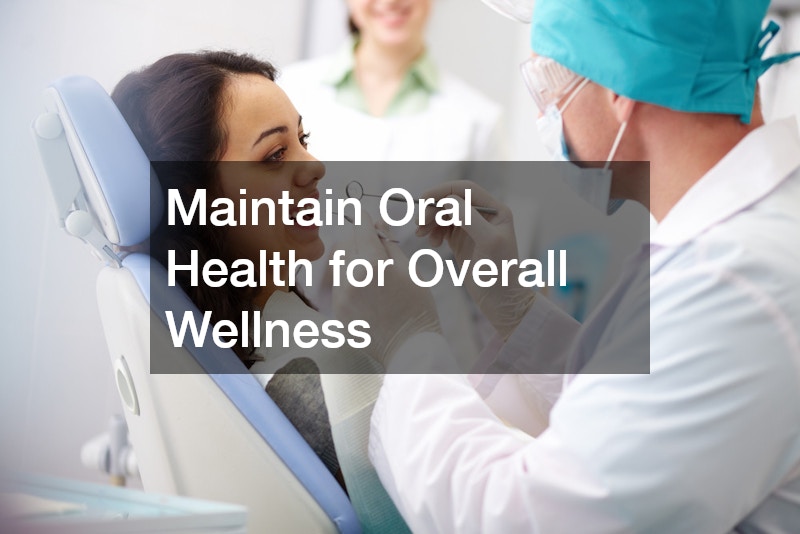
Oral health is often overlooked, but it has a profound impact on overall wellness. Regular visits to a dental office help prevent cavities, gum disease, and other oral infections that can affect heart health, diabetes management, and even respiratory conditions. Poor oral hygiene has been linked to inflammation and increased risk of chronic illnesses, making routine dental care an essential part of maintaining overall health.
To maximize the benefits of dental care:
-
Schedule checkups and cleanings every six months, or more frequently if recommended.
-
Discuss concerns about tooth sensitivity, gum health, chronic bad breath, or jaw pain.
-
Ask about preventive treatments like fluoride applications, sealants, or early cavity detection tools.
-
Maintain daily habits such as brushing twice a day, flossing, and using an antibacterial mouthwash.
Cosmetic dentists also play a role in supporting well-being. Procedures such as veneers not only enhance appearance but can improve functionality, such as bite alignment, repairing worn teeth, or protecting weakened enamel. Tips for integrating cosmetic treatments:
-
Consider veneers if teeth are chipped, worn, misaligned, or discolored.
-
Ensure cosmetic procedures do not interfere with preventive dental care.
-
Discuss the long-term maintenance, durability, and costs with your dentist.
-
Coordinate cosmetic and restorative treatments to prevent overlapping recovery periods.
Beyond physical benefits, maintaining a healthy, attractive smile has a profound impact on mental health and social interactions. Confidence in your appearance encourages positive communication, reduces self-consciousness, and motivates better self-care routines. Combining preventive visits with elective cosmetic care provides a holistic approach to oral health, addressing both functional and aesthetic needs. Ultimately, investing in your oral health is an investment in your overall wellness, helping you maintain a healthier body and a more confident, fulfilling lifestyle.
Improve Mobility and Strength Through Targeted Therapy
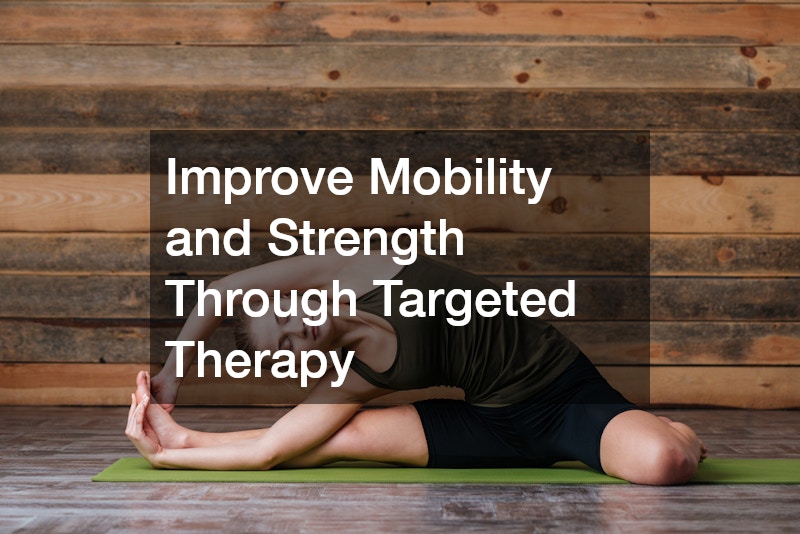
Maintaining mobility and managing pain are essential for active, independent living. Physical therapy clinics provide tailored programs to recover from injuries, improve posture, and strengthen muscles to prevent future problems. Beyond rehabilitation, therapy can also serve as a preventive measure, helping individuals avoid injuries, improve balance, and enhance overall physical performance.
Key strategies for effective therapy include:
-
Perform exercises recommended by your physical therapist consistently, focusing on proper form and gradual progression.
-
Track progress to adjust intensity and avoid plateaus, noting improvements in strength, flexibility, and endurance.
-
Combine therapy sessions with at-home routines for best results, such as stretching, resistance exercises, or low-impact cardio.
-
Discuss any pain, discomfort, or limitations immediately to prevent setbacks and ensure adjustments are made safely.
Pain management services can complement physical therapy for chronic conditions such as arthritis, back pain, or post-surgical recovery. These services often include:
-
Medication management to control inflammation, improve function, and reduce discomfort.
-
Non-invasive interventions such as TENS therapy, guided injections, or laser therapy to alleviate pain.
-
Lifestyle coaching on diet, exercise, ergonomics, and posture to prevent future complications.
Additionally, many clinics integrate educational components, teaching patients how to maintain proper body mechanics during daily activities, lifting, or exercise. This proactive approach reduces the likelihood of recurring injuries and improves long-term functional mobility. By combining physical therapy with targeted pain management services, you can regain strength, maintain flexibility, improve balance, and enhance endurance. The integration of these services provides a holistic approach to functional wellness, supporting independence, reducing limitations, and promoting a higher quality of life at any age.
Support Recovery at Home
Many patients benefit from care that extends beyond clinical settings. Local home care services are crucial for individuals recovering from surgery, managing chronic illness, or seeking assistance with daily living. These services provide personalized support that helps patients maintain independence, adhere to treatment plans, and reduce the risk of complications after leaving the hospital or clinic.
Ways to optimize home care include:
-
Hire trained professionals to assist with bathing, meal preparation, medication management, and mobility support.
-
Schedule regular check-ins to monitor health, track progress, and adjust care plans as needed.
-
Coordinate care with primary physicians, specialists, and therapists to ensure consistency, safety, and communication among providers.
-
Encourage family involvement to provide emotional support and help monitor adherence to treatment or therapy recommendations.
Med spas can be a complementary addition to home-based recovery. While med spas are often associated with cosmetic treatments, many offer therapeutic services that promote healing, reduce stress, and improve overall wellness. Popular med spa offerings include:
-
Massage therapy to relieve muscle tension, improve circulation, and reduce pain.
-
Skin treatments that aid tissue repair and promote relaxation.
-
Relaxation-focused therapies such as aromatherapy or guided meditation to reduce stress hormones and enhance recovery outcomes.
Additionally, combining home care with med spa therapies can provide mental health benefits by creating a sense of routine, self-care, and empowerment. Patients often experience faster recovery, improved mobility, and better emotional well-being when clinical, home-based, and holistic services are integrated. Planning a coordinated care approach that includes both practical support and therapeutic treatments ensures patients receive comprehensive, well-rounded care during the recovery process, helping them regain independence and return to normal activities safely and confidently.
Explore Holistic and Alternative Treatments
Holistic health approaches are increasingly recognized for their ability to enhance conventional care, providing benefits that go beyond standard medical interventions. Acupuncture services, for example, can reduce stress, improve circulation, alleviate pain, and even support better sleep patterns. Many patients find acupuncture particularly helpful when managing chronic conditions, tension headaches, or post-surgical recovery discomfort.
Tips for incorporating holistic treatments effectively include:
-
Select licensed practitioners with proven experience, training, and positive patient outcomes.
-
Track the effects of each session, noting changes in pain levels, sleep quality, or energy levels over time.
-
Integrate acupuncture with conventional treatments for pain, sleep issues, stress, or recovery from injuries.
-
Ask providers how holistic practices can complement current medications or therapies to ensure safety.
Med spa services can also support a holistic lifestyle. While often associated with cosmetic procedures, many med spas offer therapies that promote overall health and wellness. Popular treatments include:
-
Aromatherapy sessions, which help reduce stress and anxiety while enhancing mental clarity.
-
Hydrotherapy or infrared therapy to soothe sore muscles, improve circulation, and support faster recovery from physical exertion.
-
Non-invasive skin treatments that promote tissue repair and complement a balanced diet, hydration, and lifestyle interventions.
In addition, holistic approaches can improve mental and emotional well-being by encouraging self-care routines and stress management practices. Integrating these treatments with traditional medical care creates a balanced health routine, helping patients feel more energized, resilient, and motivated to maintain long-term wellness. By approaching health from both conventional and alternative perspectives, individuals can experience enhanced physical recovery, emotional balance, and a stronger overall sense of well-being.
Enhance Appearance While Supporting Health

Physical appearance and self-esteem are deeply connected to health outcomes. Feeling confident in your smile can boost mental health, encourage social engagement, and motivate adherence to other wellness routines. Cosmetic dentists, including procedures like veneers, play a key role in supporting both appearance and overall oral health. Beyond aesthetic improvements, these treatments often address functional issues, such as worn or misaligned teeth, which can impact chewing, speech, and bite alignment.
Considerations for cosmetic treatments include:
-
Ensure procedures are performed by qualified professionals with proper certifications and experience in cosmetic dentistry.
-
Discuss realistic expectations for results, long-term maintenance, and associated costs to avoid surprises.
-
Maintain regular preventive care alongside cosmetic interventions to ensure that enhanced teeth remain healthy and strong.
-
Coordinate treatments with other dental procedures to minimize recovery time and maximize benefits.
Veneers, in particular, can address a range of aesthetic concerns, including:
-
Chipped or broken teeth that affect both appearance and function.
-
Discoloration that does not respond to standard whitening treatments.
-
Slight misalignments that may affect your bite or overall smile aesthetics.
Enhancing your appearance can have cascading effects on mental and emotional health. A confident smile encourages positive social interactions, increases self-assurance in professional and personal settings, and reinforces a commitment to self-care. When cosmetic dentistry is combined with routine dental visits, physical health benefits are reinforced, creating a holistic approach to well-being. Patients who invest in cosmetic and functional oral health treatments often report higher satisfaction with their appearance and overall quality of life, making these procedures a valuable component of a comprehensive health plan.
Coordinating Multiple Services for Maximum Benefit
Managing health often involves juggling multiple providers, treatments, and schedules. Coordinating care between a physical therapy clinic and laboratory testing ensures that interventions are informed and progress is measurable.
Actionable steps to optimize coordination:
-
Maintain a health journal or digital tracker for lab results, therapy sessions, and medications.
-
Schedule appointments in a way that allows follow-up and continuity.
-
Share medical records between providers for informed treatment decisions.
-
Discuss combined strategies with healthcare professionals to avoid conflicts or duplication.
By coordinating various services, patients can experience more efficient care, faster recovery, and fewer missed opportunities for preventive measures. Streamlined management increases accountability, adherence, and overall effectiveness of treatments.
Supporting health through medical services is about proactive, informed, and coordinated care. Combining preventive screenings, dental and cosmetic services, physical therapy, pain management, holistic treatments, and home-based support provides a comprehensive approach to wellness.
By integrating these strategies, you can improve physical health, boost confidence, manage chronic conditions, and enhance overall quality of life. Small, consistent actions, whether it’s scheduling routine lab tests, attending therapy sessions, or exploring holistic services, compound over time to create lasting wellness. Prioritizing your health with a multi-faceted approach empowers you to live a stronger, healthier, and more fulfilling life.
