As the desire for comfort, independence, and personalized medical support continues to grow, more individuals and families are turning to in-home services to meet long-term or short-term care needs. In-home health care has become an increasingly preferred option for seniors, individuals recovering from surgery, people managing chronic illnesses, and those who simply want professional assistance in the comfort of their own space. Understanding what to expect from these services can help you prepare, make confident decisions, and ensure the best possible experience for you or your loved one.
A Personalized Approach to Care
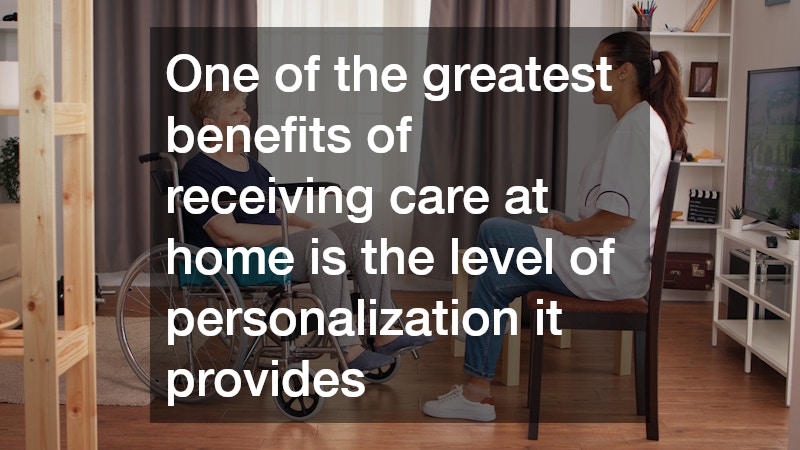
One of the greatest benefits of receiving care at home is the level of personalization it provides. Unlike institutional settings where care routines must accommodate many residents, care delivered at home focuses entirely on the patient’s individual needs, preferences, and daily habits.
A care plan is developed after an initial assessment, often conducted by a nurse or care coordinator. This evaluation may include reviewing medical history, assessing mobility, discussing daily routines, and identifying safety concerns within the home. From there, caregivers tailor their services to address both medical and non-medical needs, ensuring comfort and continuity.
Professional Medical Support
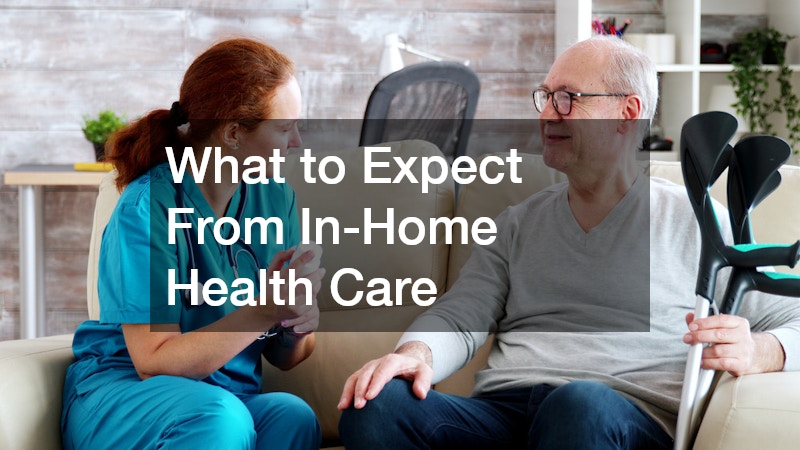
Many people are surprised to learn just how comprehensive home-based medical services can be. Depending on the individual’s condition, skilled nurses may visit regularly to provide wound care, medication management, injections, monitoring of vital signs, and assistance with chronic disease management. Physical therapists, occupational therapists, and speech therapists may also be part of the care team, working to restore or maintain mobility, independence, and quality of life. These professionals collaborate with the patient’s primary doctor to ensure treatment plans remain aligned with medical goals and progress.
Daily Living Assistance
Not all care needs are strictly medical. Many individuals require support with everyday tasks that become difficult due to aging, injury, or illness. Caregivers can help with bathing, dressing, grooming, meal preparation, light housekeeping, and companionship. These services play a crucial role in supporting safety, promoting dignity, and reducing stress for both the patient and their family members. For those living alone, having someone check in consistently provides reassurance and prevents isolation, which is especially important for emotional well-being.
Enhanced Comfort and Familiarity
Receiving care at home allows individuals to remain in a familiar environment filled with their own belongings, routines, and memories. This sense of familiarity can ease anxiety, especially for older adults or those experiencing cognitive challenges. Familiar surroundings also support better rest, greater independence, and a more positive overall mindset. Families often notice that patients in home-based settings feel more engaged and at ease compared to those in clinical or residential facilities.
Family Involvement and Communication
In-home care encourages collaboration among care providers, patients, and families. Loved ones can easily stay informed about daily routines, changes in health, or updates to treatment plans. This transparency helps families feel more connected and ensures everyone is aligned in decision-making. It also gives relatives peace of mind knowing that a trained professional is regularly monitoring the well-being of their family member. Many agencies provide digital portals or reports to help track appointments, services provided, and progress notes, improving communication even further.
Flexibility and Convenience
Another key advantage of this care model is its flexibility. Services can often be scheduled around work hours, personal obligations, or the patient’s preferred routine. Whether a person requires care for a few hours a week or full-time support, agencies typically offer a range of options to accommodate varying needs. This flexibility helps individuals maintain a sense of independence while still receiving the assistance and medical oversight required for safety and comfort.
Costs and Insurance Considerations
Understanding the financial aspect of home-based care is an important part of preparing for services. Costs vary depending on the level of care required, the frequency of visits, and the provider. In many cases, insurance, Medicaid, Medicare, or veterans’ benefits may cover a portion of the services, especially when skilled nursing or rehabilitative therapy is involved. Non-medical services, such as help with daily activities, may not be fully covered, so it’s important to review all available options and speak with the agency about payment plans or financial guidance.
Quality and Safety Standards
Reputable care providers follow strict guidelines to ensure patient safety and high-quality service. Caregivers undergo background checks, training, and ongoing education to stay current with best practices. Many agencies also have supervisors who periodically visit the home to assess care quality and verify that services continue to meet the patient’s evolving needs. This structured oversight helps ensure high standards while still allowing the personalized experience that comes with in home health care.
Preparing for the Transition
Before beginning services, families can help smooth the transition by preparing the home environment. This may include reducing clutter, improving lighting, adding safety equipment such as grab bars or non-slip rugs, and designating a space for medical supplies or equipment. Communicating openly with the care team about expectations, concerns, and preferences ensures a strong start and supports long-term success.
In-home care offers a unique blend of professional support, comfort, and independence, making it a valuable option for individuals seeking personalized assistance. By understanding what to expect from in home health care and taking steps to prepare, families can create a safe, nurturing environment where quality of life remains at the forefront. Ultimately, choosing in home health care provides peace of mind, compassionate support, and a level of care tailored entirely to the needs of the individual.